Health and immunity
Uses of Lignosus rhinocerus (tiger's milk mushroom)

Respiratory Health
In modern trials, Lignosus rhinocerus has been found to improve lung function by reducing airway inflammation and supporting bronchial relaxation, historically used to treat chronic asthma and coughs.

Immunity support
The mushroom's bioactive compounds, including polysaccharides and beta-glucans, are absorbed via the digestive tract to modulate immune responses and provide long-term systemic benefits.

energy & vitality
When chronic inflammation is reduced and immune function is better regulated, people may experience improved overall well-being and less fatigue.
Bio-Absorption
Tiger's Milk mushroom sclerotia contain high molecular weight polysaccharides and beta-glucans. When ingested as a finely ground powder or concentrated extract, these bioactive compounds are absorbed through the intestinal wall, stimulating the immune system and supporting systemic respiratory health via the gut-lung axis.

Health Impact
The primary medical benefit lies in its potent anti-inflammatory properties, specifically targeting lung tissue. Clinical studies suggest it helps alleviate symptoms of asthma and chronic bronchitis. Beyond respiratory health, its neuroprotective qualities support cognitive function, making it a comprehensive tool for modern wellness.
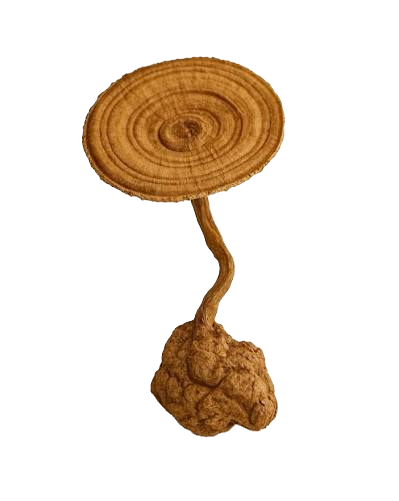
The Legacy of Functional Mushrooms
For millennia, our ancestors have revered Tiger Milk Mushrooms as vital tools for health. Today, we bridge timeless wisdom with contemporary wellness. From misty highland peaks, to the deep jungles of Asia, these healing fungi have influenced traditional medicine and promoted longevity for generations.
Interested in Adding tiger milk mushroom to your catalog?
who can benefit most?
For those drawn to botanical traditions and functional nutrition, Lignosus rhinocerus offers a connection between longstanding Southeast Asian practice and emerging nutritional science. Traditionally used as a tonic to support respiratory wellness, stamina, and vitality, the mushroom is now being studied for a range of biological activities. Although clinical research and studies have only emerged in recent years, people seeking respiratory support have touted the mushroom's effectiveness for generations.
Ancient Origins
Dating back over 2,000 years, documented use in the 'Shen Nong Ben Cao Jing' (Divine Farmer's Materia Medica) marked mushrooms as the 'Superior Herbs.' They were reserved for royalty and spiritual seekers, believed to nurture the spirit, enhance vital energy (Qi), and fortify the body's natural defenses.
Modern Renaissance
Today, science validates what ancestors knew. Compounds like beta-glucans and triterpenes are now studied for their adaptogenic properties, helping the body navigate stress while supporting cognitive function and metabolic health. Recently, Tiger Milk Mushroom (Lignosus rhinocerus) is naturally rich in polysaccharides, phenolic compounds, and other bioactive constituents, it has attracted growing scientific interest for its potential immunomodulatory, antioxidant, anti-inflammatory, and respiratory-supporting properties. While research continues to evolve, Tiger Milk Mushroom remains one of Asia's most respected functional ingredients, valued for its role in supporting overall health and well-being.